At Six In The Morning My Mother In Law Demanded Seven Million Dollars(2/2)
I did not look back, but I heard the conversation begin behind me, and it was not a conversation that was going to end quickly or pleasantly for anyone remaining in that room. The year that followed was not simple. I want to say that clearly because the story of a woman who protects herself and walks away tends, in the telling, to collapse the aftermath into a kind of serene inevitability, as though the decision to stop absorbing harm automatically produces peace.
It does not. There are attorneys and court dates and depositions and the specific exhaustion of being asked to document, again and again, the details of your own betrayal. There is the strangeness of living alone in a house that has to be sold because of a loan you didn’t take and a signature you didn’t sign.
There is the grief that does not pause for any of it, that keeps arriving on ordinary mornings in the form of a phone number you still haven’t deleted, a habit of reaching for your phone to tell her something and then remembering. Ethan was convicted of fraud. The forgery, the unauthorized loan, the pattern of financial deception the investigators found when they began looking, all of it.
Linda spent a significant portion of her own savings attempting to insulate her sons from consequences that were not insurable. Ryan’s creditors pursued him through two states. The family, which had always maintained itself through the fiction of collective loyalty while actually operating through a system of extraction, came apart the way such families do when the person being extracted from stops.
I moved into a smaller place on my own and found that smaller was not a diminishment but a relief. I planted things in the yard, nothing ambitious, tomatoes, some herbs, the kind of garden my mother would have called sensible. I went back to work, not because I needed to but because I had spent six months suspended in grief and legal process and needed the return to ordinary hours.
I took on a position with a healthcare nonprofit that had been doing work I admired, and discovered in it something I had not expected, which was purpose of the uncomplicated kind, the kind that doesn’t require you to think too hard about why you’re doing it. Two years after my mother died, on a Thursday morning in spring, I stood in the entrance hall of a new nursing wing at the university hospital where she had done her first clinical rotations forty-four years earlier. There was a small ceremony.
Her name was on the wall in letters that were larger than she ever would have allowed for herself, and I stood in front of them for a while after the ceremony was over and the other people had moved toward the reception, just the two of us in the manner we had always managed it, and I thought about the basin under the bathroom sink and the coat and the backyard chair and all the discipline of all those years, and I thought that whatever she had meant to build, whether she had any particular vision for it or whether she was simply doing what she always did, which was the careful and unglamorous work of making something out of what was available, this was where it had arrived. A room full of beds for people in the worst moments of their lives. Her name on a wall.
Her daughter, standing in front of it, finally able to stand still. I went to Florence that autumn. A week alone, which I had earned in ways I did not feel the need to enumerate to anyone.
I sat on a terrace the second evening with a glass of wine and watched the light go off the rooftops in that particular sequence it has there, orange to copper to a rose that doesn’t exist anywhere else, and I thought about inheritance, what it actually means, what gets passed on when someone dies. Money is the obvious part, the legal part, the part with documents and attorneys and irrevocable trusts. But my mother had given me other things too, things that don’t appear in probate filings.
She had given me forty years of watching someone do hard work without complaint and without requiring an audience. She had given me the specific knowledge of what it looks like to choose, over and over, the thing that costs you now in order to protect something later. She had given me, without ever stating it as a lesson, the understanding that love is a verb before it is a feeling, and that the people who love you well show up, not just when it is easy but when it is not, not just when there is something in it for them but when there is nothing, when you need them to sit beside the plastic basin at the end of a long shift and just be there.
Ethan had not known how to do that. I had spent five years trying to teach him and had confused my patience with his learning. I did not regret the marriage in the way people expect you to regret mistakes, as wasted time, as evidence of poor judgment.
I had been a different person. The person I had been could not have walked out of that living room the way I did. She needed to have tried, to have discovered through the trying what trying could and could not produce, to have arrived at the place where clarity replaces hope.
The marriage had been part of the education. What I had lost in it was real, and what I had recovered in leaving it was also real, and both things could be true at the same time. I finished the wine.
The light was gone from the rooftops and the sky had turned the blue-gray of late evening and someone somewhere in the city below was playing something on a stringed instrument, too far away to identify, close enough to hear. I thought about calling someone, then didn’t, because the silence was not lonely but simply quiet, and quiet, I had learned, is something you can eventually tell the difference about if you give yourself long enough. My mother had left me seven million dollars and a ward full of hospital beds bearing her name.
She had also left me this: the knowledge that what you protect yourself from matters as much as what you build, and that sometimes the greatest act of love you can perform for the people who come after you is to show them, by example, that you do not have to stay where you are not valued, that belonging should not require the erasure of yourself, and that the women in this family are not soft and are not temporary and are not to be confused with a source of funds. That was the real legacy. That was what she had been building all along.
More in Stories

My Husband Left Me Outside for Two Hours with a Broken Leg Because He Didn’t Want to Hurt His Back Before a Boys’ Trip – His Grandpa’s Response Left Him Speechless
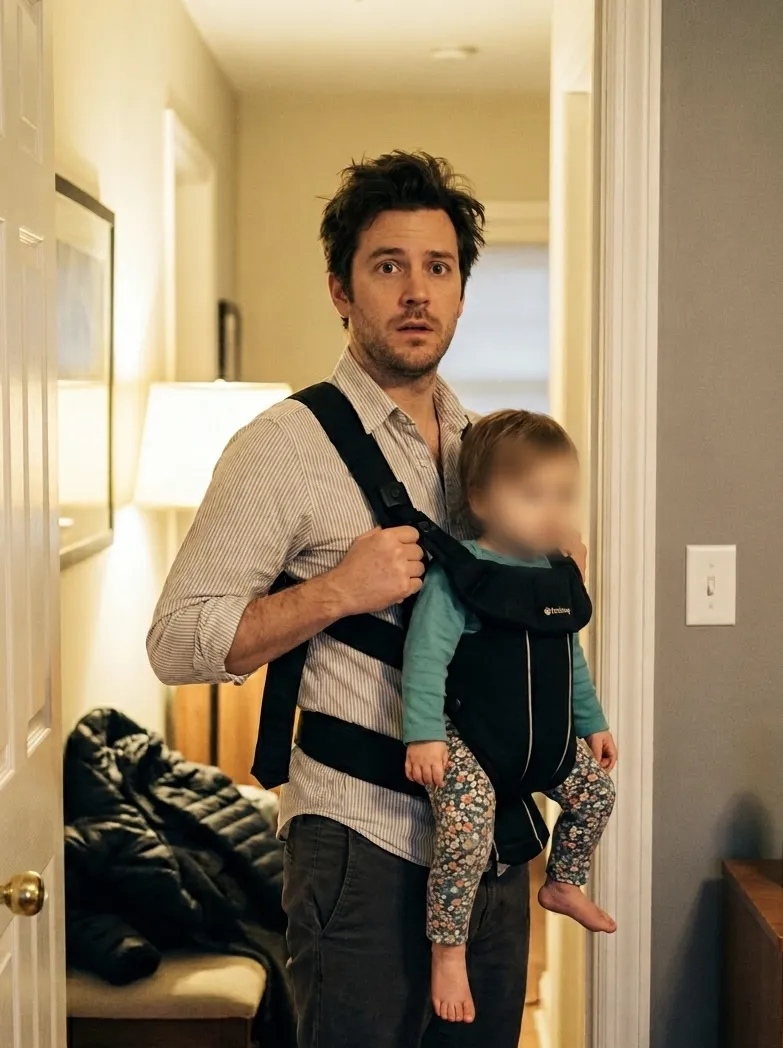
My Husband Found a One-Year-Old Baby at the Train Station and Brought Her Home – Then I Found a Note in Her Cradle: ‘Don’t Trust Your Husband’