
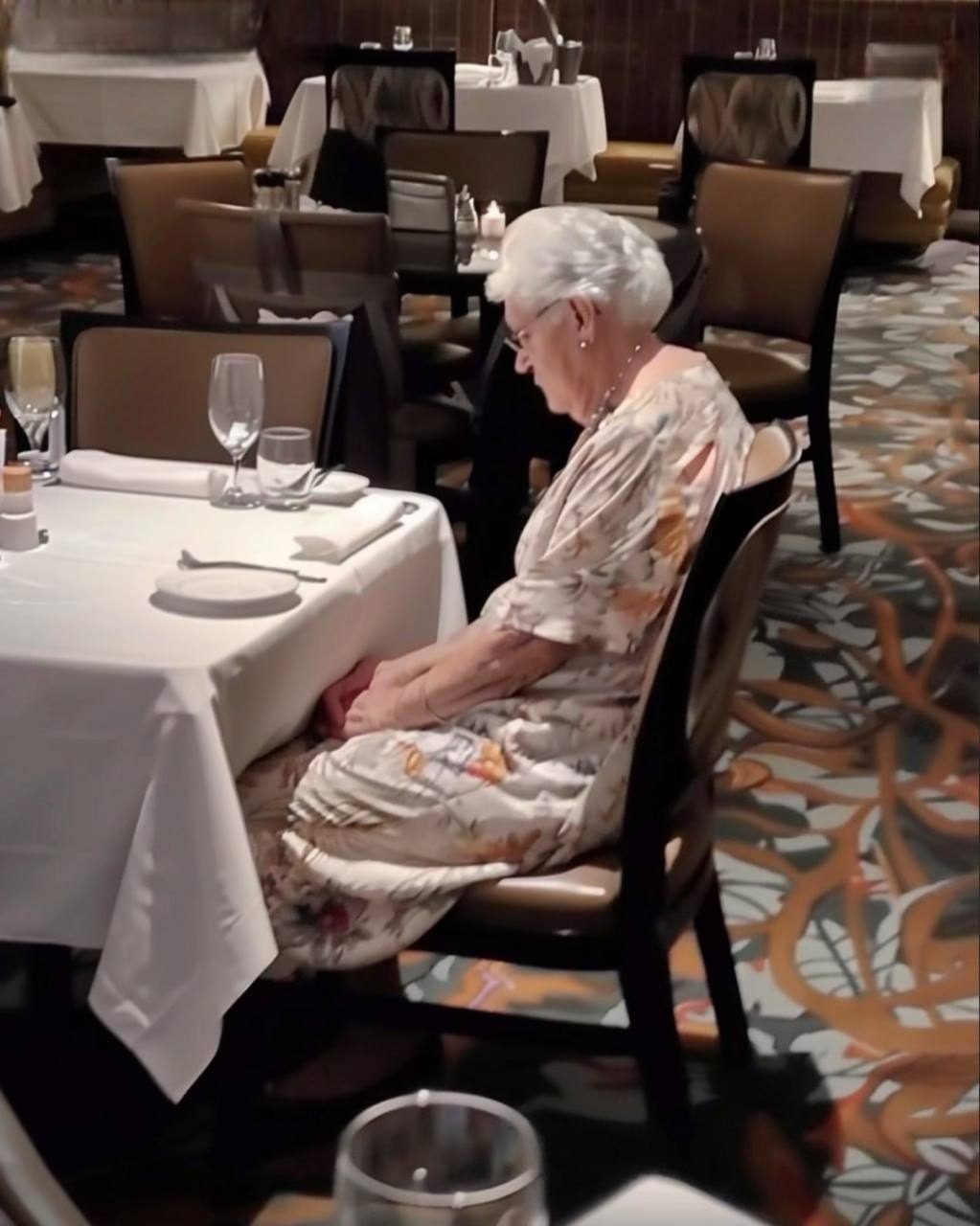
Yet, as the letters piled up, I knew that no excuse could mend the fractures in our family. My heart ached with the understanding that we were all complicit in this betrayal—even Grandma, in her quiet, stoic way, had taught us to look after one another. And now, that lesson had been trampled by greed and the desire for show.
Chapter 11: Searching for a Glimmer of Hope
In the midst of despair, I began to seek a way to honor Grandma’s legacy—a way to restore a semblance of dignity in the shattered remnants of our family. I proposed a small memorial service, not one filled with grandiose speeches or lavish tributes, but a simple gathering where we could remember who she was—beyond the sum of the mistakes we had made. I reached out to those few who still seemed to understand the true meaning of family, inviting them to share a memory, a word of comfort, or even a quiet moment of reflection.
The day of the memorial was overcast, the sky heavy with the promise of rain. We gathered in a small chapel that had once been a place of solace, its stained-glass windows muted by dust and age. One by one, voices trembled as they recounted the myriad little miracles of Grandma’s life—her gentle guidance, her unwavering love, and the sacrifices she had made, often unseen and unacknowledged.
As the service concluded, I looked around at the faces of those who remained—faces lined with grief, regret, and a determination to honor the past even as we struggled under its weight. In that moment, I felt a tentative spark of hope. Perhaps, just perhaps, through our shared pain, we could begin to rebuild something true and lasting.
Chapter 12: A Road to Reconciliation
Days turned into weeks, and slowly, I began to reach out to the estranged members of our family. I arranged one-on-one meetings, tentative calls, and visits that were filled with awkward pauses and unspoken remorse. I wanted to see if we could find a way to mend what had been broken—not for grand gestures or for the sake of appearances, but for the sake of Grandma, whose fading smile was the most honest reflection of our failure.
One afternoon, I met with Aunt Linda at a small café on the outskirts of town. Over cups of bitter coffee, she tearfully recounted memories of her own childhood, of how Grandma had been the heart of our family. “I never realized how lost we’d become until that night,” she admitted. “We forgot that she wasn’t just a guest at our dinner. She was the reason we’re here at all.” Her voice cracked with regret, and for a moment, I saw the glimpse of remorse I had been praying for.
Little by little, one conversation led to another. Mark, who had once boasted about his expensive drinks, began to speak softly about the financial strain that his irresponsible choices had caused. Katie, ever vain and dismissive before, eventually admitted that she had felt empty inside, searching for validation in the wrong places. Uncle Joe, the de facto ringleader of our misdeeds, offered a vague apology, though it was clear that his remorse was more for the shame he felt than for any true desire to change.
Each conversation was a painful reminder of how far we had strayed from the values Grandma had lived by. And yet, there was a fragile hope—a sense that perhaps, by confronting our shortcomings, we might begin to heal.
Chapter 13: The Slow Return of Dignity
During those long, reflective months, I devoted myself to caring for Grandma in ways that transcended mere duty. I spent every available moment with her, listening as she shared stories of her youth, the hardships of war, the struggles of raising a family on nothing but love and perseverance. In the quiet evenings, as the rain pattered against the window and the world outside faded into darkness, we talked—really talked—about what it meant to be a family, what it meant to belong somewhere, and how lost we had all been in our own selfish pursuits.
I began to compile these moments into a journal of our shared history—a record of her life that I hoped could one day serve as a reminder of what true strength and love looked like. With each word I wrote, I felt a slow but steady redemption seep into my spirit. It was as if the act of remembering, of honoring her sacrifices and her unwavering kindness, was transforming not only our relationship but my own sense of self.
The family’s slow return to dignity was not instantaneous. There were setbacks, moments when old arguments flared up like sudden storms, and times when the hurt and betrayal seemed too deep to overcome. Yet, in the quiet, persistent beat of everyday life, we found a way to move forward. Each small act of compassion—a shared meal, a remembered birthday, a tear shed in forgiveness—was a step on the long road to reconciliation.
Chapter 14: The Price of Broken Bonds
Despite these efforts, the wound of that extravagant night continued to bleed into our lives. I often found myself wandering the empty corridors of our childhood home, reflecting on how something as trivial as a dinner bill had exposed the corrosive underbelly of our family. The air felt heavy with unspoken words and unshed tears, as if every room held echoes of laughter turned to bitterness.
In those moments of solitude, I grappled with the realization that love alone could not mend all; time, empathy, and a willingness to change were needed too. I revisited old photographs of Grandma in her youthful prime—a radiant smile, eyes full of hope, hands that had never known disdain. It made the present all the more unbearable: here she was, a gentle soul betrayed by those who claimed to love her, left to suffer the consequences of their greed.
I wrote letters to the younger members of the family, urging them to remember that our heritage was not built on opulence or empty shows of status, but on the genuine, arduous love of a woman who had given everything for us. I pleaded with them to reclaim the lost art of respect and to understand that every moment wasted in pursuit of false validation was a robbery of our collective soul.
Chapter 15: The Unforgiving Wake-Up Call
One night, months after that fateful dinner, I received a phone call that shattered the fragile peace I had been trying to cultivate. A distant cousin, with a voice thick with sorrow and exhaustion, confessed that he could no longer bear the guilt of our shared indifference. He spoke of sleepless nights, of dreams haunted by the visage of a lonely, abandoned Grandma. His admission was a wake-up call—a painful reminder that the scars of our actions would not fade with time unless we actively sought to heal them.
That call catalyzed a transformation in me. I realized that our family’s fractured state was not something to be shrugged off or hidden behind polite smiles and half-hearted apologies. It demanded a reckoning—a genuine, soul-baring conversation about who we were and what we had allowed ourselves to become. I vowed to do everything in my power to protect Grandma’s dignity, even if it meant standing alone against a tide of indifference.
Chapter 16: The Longest Journey
The journey toward reconciliation was long and arduous. It was marked by bitter apologies, tearful reunions, and countless moments when it seemed the wounds might never close. In that time, I became a guardian, not only of Grandma’s legacy but also of the fragments of my own shattered ideals. Every visit to her modest home was a reminder of our failure—a call to action to rebuild what had been so carelessly disregarded.
I began organizing small family gatherings, invitations sent with trembling hope that, one day, we might rediscover the warmth and sincerity that had once bound us together. I planned quiet evenings with simple meals prepared at Grandma’s house, where laughter could be coaxed out of the silence and every remembered story was a bridge over our broken past. Slowly, a few of my relatives began to respond, their hearts softened by the raw truth of our shared sorrow.
Yet, even as we started to come together, the memory of that extravagant night loomed large—a constant, inescapable reminder of the cruelty that had defined us. There were days when I wished I could erase it all, wipe the slate clean with a single, redemptive act. But I knew that some wounds, however deep, require time to heal, and some memories, as painful as they are, serve as the catalyst for change.