For years, I had navigated the world as a solo act—paying the bills, managing the household, and absorbing the silent stresses of single motherhood. When Rowan arrived, he didn’t just enter my life; he staged a takeover of my heart. He was polished, attentive, and filled the empty spaces in my routine with a level of care I hadn’t felt in a decade. I wanted to believe it was a miracle. I wanted it so badly that I ignored the small, jagged edges of his personality.
My daughter, Ivy, saw them from the start.
She was home from college for the summer, and her presence in the house acted as a sharp, unclouded mirror. She didn’t see the “charming partner” I did; she saw the man who grew restless when the conversation turned to finances. She noticed the way his gaze would linger on my purse or my bank statements. I dismissed her concerns as typical protective instinct, convinced she was just struggling to share her mother’s attention.
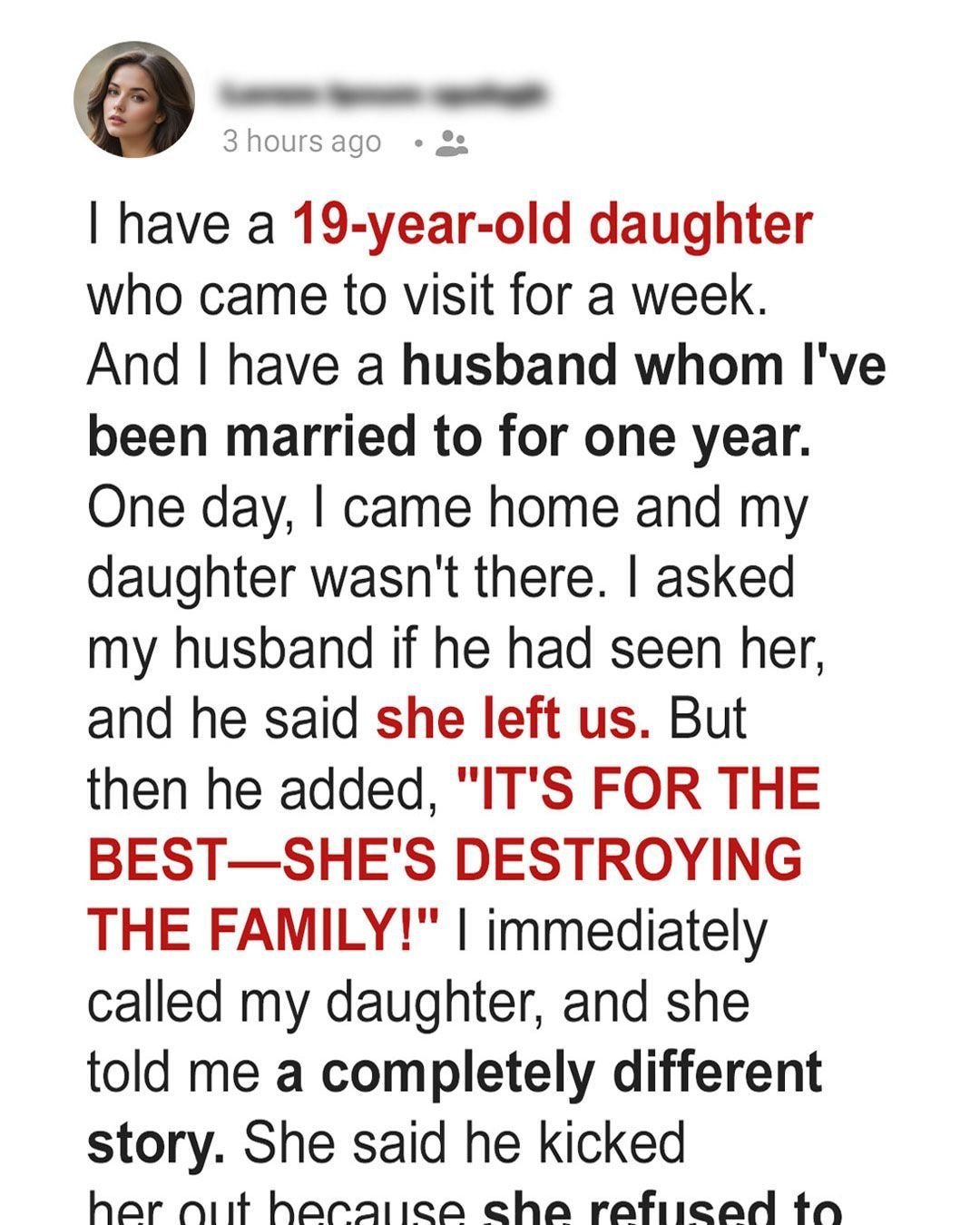
The day everything shattered began like any other, but ended in a void. I returned home from work to find the house unnervingly quiet. Ivy was gone. Her belongings were missing. When I demanded answers, Rowan was terrifyingly composed. He looked me in the eye, sipped his drink, and told me she had “left” because she was being “difficult” and “disrespectful.” He painted a picture of a spoiled, dramatic college student who couldn’t handle his presence.
For a few hours, the lie held. But then my phone rang.
Ivy’s voice was shaky but resolute. She didn’t want to talk about herself; she wanted me to look in the back of my desk drawer. When I did, the reality of my life collapsed. There, hidden beneath a stack of old utility bills, were the loan applications—official, notarized, and entirely fraudulent. My name had been signed in a shaky, practiced hand; my credit had been drained to fund a life I knew nothing about. She had taken photos of every page before he could force her out.
The mother who had been blind for months vanished in an instant, replaced by a woman who realized she was fighting for her survival.
I didn’t confront him. I didn’t give him the chance to gaslight me one last time. Instead, I moved like a phantom through the house, freezing accounts, alerting my bank, and calling a lawyer whose specialty was white-collar fraud. By the time Rowan walked through the door that evening, expecting the usual domestic comfort, the house felt like a tomb.
The evidence was laid out on the dining table, cold and incontrovertible. When he tried to weave a new story, his words caught in his throat as the police sirens pulled into our driveway. The look of confusion on his face when he realized his “charm” had finally expired is a memory I keep to remind myself: never trade your gut instinct for a comfortable lie.
As the authorities led him away, he wasn’t just a partner who had broken my trust; he was a serial predator who had used that same script on dozens of other women.
The months that followed were a blur of paperwork, courtrooms, and healing. Ivy and I moved, and for the first time in my life, I truly listened to her—not just as my child, but as my most trusted advisor. We founded a support group for other survivors of these financial and emotional predators, turning our trauma into a map for others to find their way out.
When someone tries to turn you against your child, it is the loudest red flag in the world. Ivy’s instincts saved us both from a wreckage that would have been impossible to escape. Today, our home is no longer a “sanctuary” built on a stranger’s lies. It is a fortress built on truth, shared resilience, and the unbreakable bond between a mother and the daughter who had the courage to tell her the truth when it mattered most.