
Discover the key symptoms of psoriasis, its causes, and treatments. Learn when to consult a doctor for this chronic skin condition.
Psoriasis is a chronic skin condition that affects millions of people worldwide. While it’s not contagious, it’s essential to recognize its symptoms early to manage the condition effectively.
Here’s what you need to know about the different types of psoriasis, their causes, and how to seek the right treatment.
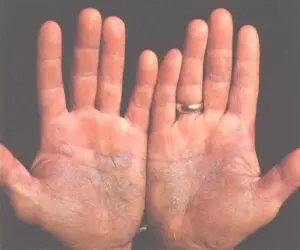
Psoriasis manifests in various forms, each with distinct characteristics:
- Plaque Psoriasis: The most common type, presenting as red patches of skin covered with silvery scales.
- Guttate Psoriasis: Identified by small, drop-shaped spots, often triggered by infections like strep throat.
- Pustular Psoriasis: Marked by red, inflamed skin topped with pus-filled blisters.
- Inverse Psoriasis: Appears in moist areas like skin folds, causing shiny, red lesions.
- Erythrodermic Psoriasis: A rare and severe form that results in widespread redness, peeling, and a burning sensation—this is a medical emergency requiring immediate attention.
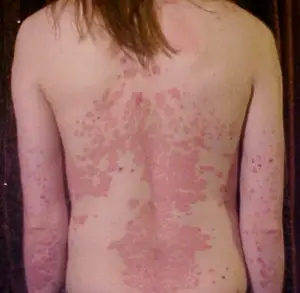
Psoriasis occurs due to an immune system malfunction where T-cells mistakenly attack healthy skin cells, leading to rapid skin cell turnover. Genetic factors play a significant role, and certain triggers can exacerbate the condition, including:
- Excessive alcohol consumption
- Infections
- Specific medications, like beta-blockers or lithium
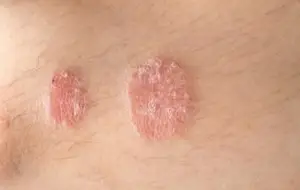
A dermatologist typically diagnoses psoriasis through a physical exam, though a skin biopsy might be necessary in some cases.
While there’s no cure for psoriasis, several treatments can help manage symptoms and improve quality of life:
- Topical treatments: Corticosteroids and vitamin D analogs.
- Phototherapy: Controlled exposure to ultraviolet light.
- Systemic treatments: Oral or injectable medications for severe cases.
If you notice persistent skin issues like red patches, scaling, or unusual rashes, it’s crucial to consult a doctor.
Early diagnosis and treatment can prevent complications and significantly enhance your quality of life.
Understanding psoriasis and its triggers empowers you to take control of your skin health. Don’t ignore the signs—seek medical advice to stay ahead of this condition.